 By admin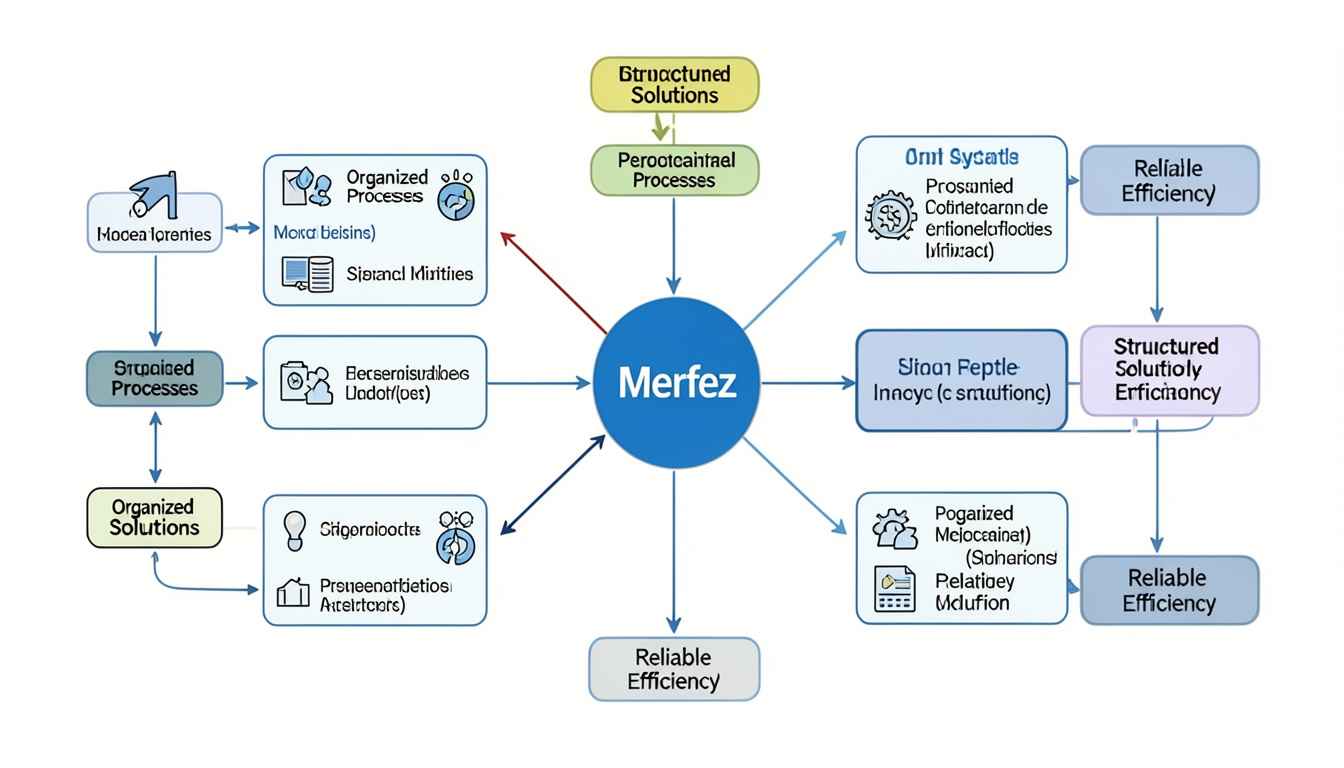
As new concepts, technologies, and systems continue to emerge, many people find themselves searching for reliable information to understand unfamiliar terms. One such term gaining attention is Merfez. While beginners may initially find the concept confusing, understanding its fundamentals can open the door to new opportunities and insights.
Whether you have recently encountered Merfez online, heard about it through professional discussions, or are simply curious about its purpose, this guide will help you build a strong foundation. In this comprehensive beginner’s guide, we will explore what Merfez is, how it works, its unique features, practical applications, benefits, limitations, and the best ways to start learning more about it.
By the end of this article, you will have a clear understanding of Merfez and the confidence to continue exploring the subject in greater depth.
What Is Merfez? Understanding the Fundamentals
Definition and Meaning of Merfez
Merfez refers to a structured concept, framework, or system designed to organize processes, information, or interactions in a more efficient and effective way. Although interpretations may vary depending on the context in which it is used, the central idea behind Merfez is to create a clear and functional structure that simplifies complexity.
At its core, Merfez serves as a mechanism for improving organization, coordination, and performance. It brings together various elements into a unified framework that users can understand and manage more easily.
For beginners, it is helpful to think of Merfez as a model that helps connect different components into a cohesive and understandable system.
Why Merfez Is Attracting Attention
Several factors contribute to the growing interest in Merfez:
- Increasing demand for efficient systems and workflows
- Growing need for structured approaches to complex challenges
- Enhanced accessibility for beginners and professionals
- Potential applications across multiple industries and fields
- Continuous innovation surrounding modern frameworks and methodologies
As organizations and individuals seek better ways to manage information and resources, concepts like Merfez become increasingly relevant.
Key Concepts Every Beginner Should Know
Before diving deeper into Merfez, it is important to understand several foundational concepts:
Structure
Merfez relies on a well-defined structure that organizes different components into meaningful relationships.
Functionality
Each element within Merfez serves a specific purpose and contributes to the overall operation of the system.
Integration
Merfez often focuses on bringing together multiple processes or resources into a unified framework.
Adaptability
One of the strengths of Merfez is its ability to evolve and adapt to changing requirements and environments.
Efficiency
The ultimate goal is usually to improve efficiency, reduce confusion, and enhance outcomes.
Common Misconceptions About Merfez
Like many emerging concepts, Merfez is sometimes misunderstood.
Misconception 1: Merfez Is Only for Experts
In reality, beginners can learn and apply Merfez effectively with proper guidance and practice.
Misconception 2: Merfez Is Too Complex
Although certain aspects may seem advanced initially, the fundamental principles are often straightforward.
Misconception 3: Merfez Has Limited Applications
Many people underestimate the flexibility of Merfez and its potential use across different situations.
Misconception 4: Results Are Immediate
While Merfez can improve processes, meaningful results typically require consistent implementation and learning.
The Core Structure and Function of Merfez
How Merfez Works in Simple Terms
Merfez functions by organizing various components into a coordinated system. Rather than allowing elements to operate independently, it creates connections that facilitate smoother communication, decision-making, and performance.
Think of it as the framework of a building. While individual rooms serve specific purposes, the structure itself connects everything into a functional whole.
Main Components and Their Roles
Although implementations may vary, Merfez generally consists of several key components.
Input Layer
This is where information, resources, or actions enter the system.
Processing Layer
The processing layer analyzes, organizes, and transforms incoming inputs.
Coordination Layer
This component ensures that different elements work together effectively.
Output Layer
The output layer generates results, recommendations, actions, or completed processes.
Feedback Mechanism
Feedback allows the system to evaluate outcomes and make improvements over time.
The Process Behind Its Operation
The operation of Merfez can typically be broken down into several stages:
- Gathering relevant inputs
- Organizing and categorizing information
- Processing information according to established rules
- Coordinating interactions among components
- Producing useful outputs
- Evaluating results and refining processes
This cycle can repeat continuously, helping improve efficiency and performance over time.
Beginner-Friendly Examples to Illustrate the Concept
Example 1: Project Management
Imagine a team working on a large project. Merfez can serve as the framework that organizes tasks, communication, deadlines, and resources.
Example 2: Learning System
A student learning a new subject may use a Merfez-based approach to organize study materials, track progress, and identify knowledge gaps.
Example 3: Business Operations
Businesses often need structured systems to manage customers, employees, inventory, and finances. Merfez can provide a unified framework for these activities.
These examples demonstrate how Merfez can simplify complexity and improve organization.
Key Features That Make Merfez Unique
Distinct Characteristics of Merfez
Several characteristics distinguish Merfez from traditional approaches.
Organized Framework
Merfez emphasizes clear structures that reduce confusion and increase transparency.
Scalable Design
The framework can often expand as needs grow.
Flexible Implementation
Different users can adapt Merfez to suit their unique requirements.
Continuous Improvement
Feedback mechanisms encourage ongoing optimization and refinement.
Important Functions and Capabilities
Merfez often provides valuable capabilities such as:
- Information organization
- Process coordination
- Resource management
- Workflow optimization
- Performance monitoring
- Decision support
- Collaboration enhancement
These capabilities make Merfez useful in a wide range of environments.
Advantages Compared to Similar Concepts or Systems
When compared to less structured approaches, Merfez may offer several benefits.
Greater Clarity
Users can better understand how different components interact.
Improved Efficiency
Well-organized systems reduce wasted effort and duplication.
Better Decision-Making
Access to organized information supports informed choices.
Enhanced Collaboration
Team members can coordinate more effectively within a structured framework.
Increased Consistency
Standardized processes often lead to more predictable outcomes.
What Sets Merfez Apart for New Users
For beginners, Merfez stands out because it focuses on accessibility and organization. Rather than overwhelming users with unnecessary complexity, it encourages step-by-step learning and practical implementation.
This makes it easier for newcomers to understand the system while gradually building expertise.
Practical Applications and Benefits of Merfez
Learning Merfez can be valuable because it encourages structured thinking, better organization, and continuous improvement. Whether you are a student, professional, entrepreneur, or lifelong learner, understanding these principles can help you navigate complex challenges more effectively.
Real-World Uses of Merfez
Merfez can potentially be applied across many fields and industries.
Education
Educational institutions can use structured frameworks to improve learning experiences and curriculum management.
Business
Companies can optimize workflows, communication, and operational efficiency.
Technology
Technology teams can organize development processes, data management, and system integration.
Healthcare
Healthcare organizations may benefit from better coordination of information and resources.
Personal Development
Individuals can use Merfez principles to improve productivity, goal setting, and learning.
Who Can Benefit From Understanding It
Merfez offers value to a diverse range of users.
Students
Students can develop stronger organizational and analytical skills.
Professionals
Professionals can improve workflow efficiency and decision-making.
Managers
Leaders can coordinate teams and resources more effectively.
Entrepreneurs
Business owners can build scalable systems and processes.
Lifelong Learners
Anyone interested in personal growth can benefit from understanding structured frameworks.
Major Advantages and Opportunities
Improved Productivity
Organized systems help reduce distractions and inefficiencies.
Better Resource Utilization
Resources can be allocated more effectively.
Enhanced Problem-Solving
Structured approaches make complex challenges easier to manage.
Greater Adaptability
Flexible frameworks support changing needs and circumstances.
Long-Term Growth
Consistent use of Merfez principles can contribute to sustainable improvement.
Potential Limitations Beginners Should Be Aware Of
While Merfez offers many advantages, it is important to recognize potential limitations.
Learning Curve
New users may need time to fully understand the framework.
Initial Setup Requirements
Building an effective structure often requires planning and preparation.
Over-Complexity Risk
Adding too many components can reduce efficiency rather than improve it.
Ongoing Maintenance
Systems require regular review and refinement to remain effective.
Being aware of these limitations helps users approach Merfez with realistic expectations.
Getting Started with Merfez: A Beginner’s Roadmap
Essential Steps to Begin Learning Merfez
If you are ready to explore Merfez, consider following these steps.
Step 1: Learn the Basics
Start by understanding the core concepts, terminology, and principles.
Step 2: Study Real Examples
Examine practical applications to see how the framework works in real-world situations.
Step 3: Practice Small Projects
Apply Merfez principles to simple projects before tackling larger challenges.
Step 4: Evaluate Results
Assess what works well and identify areas for improvement.
Step 5: Continue Expanding Knowledge
As your understanding grows, explore more advanced concepts and applications.
Useful Resources and Learning Strategies
Several strategies can accelerate your learning journey.
Read Educational Content
Books, articles, and guides provide valuable foundational knowledge.
Join Communities
Engaging with others can help answer questions and provide practical insights.
Take Online Courses
Structured learning programs often simplify complex topics.
Experiment Consistently
Hands-on practice remains one of the most effective learning methods.
Follow Industry Developments
Keeping up with trends helps maintain current knowledge.
Common Mistakes to Avoid
Beginners frequently encounter similar challenges.
Trying to Learn Everything at Once
Focus on mastering the basics before exploring advanced concepts.
Ignoring Practical Application
Theory alone is not enough. Practice reinforces understanding.
Skipping Evaluation
Regular assessment helps identify strengths and weaknesses.
Overcomplicating Processes
Keep systems simple and scalable whenever possible.
Neglecting Continuous Learning
Merfez may evolve over time, making ongoing education important.
Future Trends and What to Expect From Merfez
As interest continues to grow, several trends may influence the future development of Merfez.
Greater Automation
Automation technologies may enhance efficiency and reduce manual effort.
Increased Integration
Systems are likely to become more interconnected and collaborative.
Enhanced Accessibility
Future tools may make Merfez easier for beginners to understand and implement.
Data-Driven Improvements
Advanced analytics could provide deeper insights and optimization opportunities.
Broader Adoption
More industries may recognize the value of structured frameworks like Merfez.
These developments could further increase the relevance and usefulness of Merfez in the years ahead.
Conclusion
Merfez represents a structured approach to organizing processes, information, and resources in a way that improves efficiency, coordination, and overall effectiveness. While the concept may initially appear complex, its fundamental principles are accessible to beginners who take the time to learn them step by step.
Throughout this guide, we explored what Merfez is, how it functions, the key features that make it unique, its practical applications, and the benefits it can offer individuals and organizations. We also examined potential limitations and provided a roadmap for getting started successfully.
The best next step is to continue exploring educational resources, practice applying the concepts in real-world situations, and gradually expand your knowledge. With consistent learning and practical experience, you can unlock the full potential of Merfez and use it as a powerful framework for growth and success.