 By admin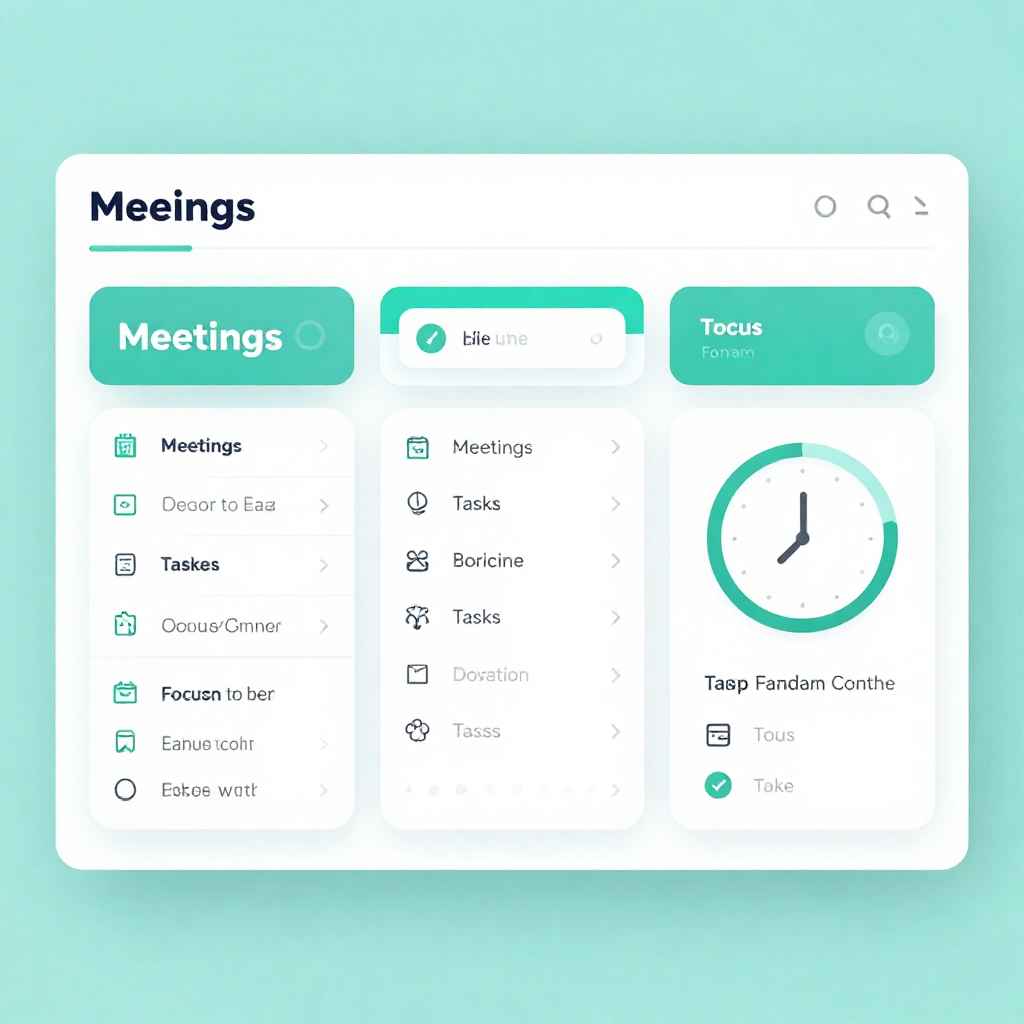
In today’s fast-paced world, staying organized and managing time effectively has become more important than ever. Whether you are a student, professional, business owner, or someone trying to balance daily responsibilities, having a structured system can make a significant difference. This is where a schedow comes into play.
A schedow helps individuals and organizations plan activities, organize tasks, and manage deadlines efficiently. While the term may be unfamiliar to some people, the concept behind it revolves around structured scheduling, planning, and workflow management.
This guide will explain everything beginners need to know about schedow, including its meaning, how it works, its benefits, different types, and practical tips for getting started.
Understanding Schedow: Meaning, Purpose, and Why It Matters
What Is a Schedow?
Schedow is an AI-driven smart scheduling and productivity system designed to unify meetings, tasks, and focus time. The platform streamlines workflow automation to help individual users and global businesses manage their daily calendars efficiently.
A schedow is a structured system used to organize tasks, activities, events, or responsibilities within a specific timeframe. It serves as a framework that helps individuals and teams allocate resources, prioritize work, and maintain productivity.
At its core, a schedow functions as a planning tool that outlines what needs to be done, when it should be completed, and how various tasks fit together within a broader workflow.
The Purpose and Role of Schedow in Modern Workflows
Modern life often involves managing multiple commitments simultaneously. From work projects and educational assignments to personal goals and appointments, keeping track of everything can become overwhelming.
The primary purpose of a schedow is to:
- Organize tasks systematically
- Establish clear priorities
- Allocate time effectively
- Improve workflow visibility
- Ensure timely completion of responsibilities
By providing structure and clarity, a schedow helps reduce uncertainty and enables users to focus on achieving their objectives efficiently.
Why People Are Becoming Interested in Schedow
Interest in schedow systems has grown significantly due to increasing demands on time and productivity. Individuals and organizations are constantly looking for ways to improve efficiency and reduce wasted effort.
Several factors contribute to this growing interest:
- Remote and hybrid work environments
- Increased project complexity
- Greater emphasis on productivity
- Digital transformation and automation
- Growing need for better time management
As people seek more effective ways to manage their responsibilities, schedow systems have become valuable tools for staying organized.
Key Features That Distinguish Schedow from Similar Concepts
Although schedow shares similarities with calendars, planners, and task management systems, it often includes additional features that make it more comprehensive.
Common distinguishing features include:
- Structured task organization
- Time allocation and scheduling
- Progress tracking
- Priority management
- Deadline monitoring
- Workflow coordination
These elements work together to create a complete planning and management system rather than a simple list of activities.
Common Situations Where Schedow Is Used
Schedow systems can be applied in many situations, including:
- Managing daily routines
- Planning academic schedules
- Coordinating team projects
- Organizing events
- Tracking business operations
- Managing personal goals
Because of its flexibility, schedow can adapt to virtually any environment where planning and organization are important.
How Schedow Works and Its Core Components
The Fundamental Principles Behind Schedow
A schedow operates on several key principles that support effective planning and execution.
These principles include:
Organization
Tasks are arranged logically so users can clearly understand what needs to be accomplished.
Prioritization
Important tasks receive attention first, helping users focus on activities with the greatest impact.
Time Management
Specific time slots or deadlines are assigned to tasks, reducing procrastination and improving productivity.
Accountability
Users can track progress and measure performance against planned objectives.
Main Elements That Make a Schedow Effective
An effective schedow typically includes several essential components.
Tasks
Tasks represent the activities that need to be completed.
Deadlines
Deadlines establish completion targets and help maintain momentum.
Priorities
Priority levels indicate the relative importance of each task.
Milestones
Milestones mark significant achievements or progress points.
Resources
Resources include people, tools, budgets, or materials required to complete tasks successfully.
How Schedow Helps with Organization and Planning
Without a clear structure, tasks can easily become scattered and difficult to manage. A schedow centralizes information and creates a roadmap for action.
Benefits include:
- Better visibility into upcoming responsibilities
- Reduced task overlap
- Improved workload balance
- Enhanced coordination among team members
- Greater focus on strategic objectives
This organized approach allows users to make informed decisions and stay on track.
The Process of Creating and Managing a Schedow
Creating a schedow generally involves several steps.
Step 1: Identify Goals
Determine what you want to accomplish.
Step 2: List Tasks
Break larger goals into manageable tasks.
Step 3: Assign Priorities
Rank tasks according to importance and urgency.
Step 4: Set Deadlines
Establish realistic completion dates.
Step 5: Allocate Resources
Identify what is needed to complete each task.
Step 6: Monitor Progress
Track completion status and make adjustments when necessary.
Following this process helps maintain consistency and effectiveness.
Common Tools and Methods Associated with Schedow
Various tools can support schedow management.
Popular options include:
- Paper planners
- Calendars
- Project management software
- Digital scheduling apps
- Task tracking platforms
- Spreadsheet-based systems
The best tool depends on individual preferences, complexity of tasks, and organizational requirements.
Benefits of Using a Schedow
Improving Productivity and Time Management
One of the most significant advantages of using a schedow is increased productivity.
A structured schedule helps users:
- Focus on priorities
- Minimize distractions
- Use time more efficiently
- Complete tasks faster
- Reduce procrastination
When time is managed effectively, overall performance often improves.
Enhancing Task Tracking and Accountability
Schedow systems provide visibility into ongoing work and responsibilities.
This visibility allows users to:
- Monitor task completion
- Identify delays early
- Track performance metrics
- Maintain accountability
Teams especially benefit from improved transparency and coordination.
Reducing Confusion and Missed Deadlines
Missed deadlines often result from poor planning or lack of organization.
A schedow helps prevent these issues by:
- Providing clear timelines
- Highlighting upcoming deadlines
- Organizing responsibilities
- Reducing uncertainty
As a result, users experience less stress and greater confidence in managing their workload.
Supporting Better Decision-Making and Prioritization
When tasks and deadlines are clearly outlined, decision-making becomes easier.
Users can quickly determine:
- Which tasks require immediate attention
- Which activities can be delegated
- Where resources should be allocated
- How to respond to changing priorities
This structured perspective supports smarter planning and execution.
Long-Term Advantages for Personal and Professional Use
Consistent schedow usage offers long-term benefits, including:
- Improved organizational skills
- Stronger work habits
- Greater efficiency
- Better goal achievement
- Increased professional reliability
Over time, these advantages can contribute significantly to personal growth and career success.
Different Types of Schedow and Their Applications
Popular Forms and Variations of Schedow
Schedow systems come in various forms depending on their intended purpose.
Common types include:
Daily Schedow
Focuses on short-term activities and daily task management.
Weekly Schedow
Provides a broader overview of responsibilities across a week.
Monthly Schedow
Supports long-term planning and deadline management.
Project-Based Schedow
Designed for coordinating complex projects involving multiple tasks and stakeholders.
Organizational Schedow
Used by businesses to manage operations, staffing, and resource allocation.
Personal, Educational, and Business-Related Uses
Schedow systems serve diverse purposes across different environments.
Personal Use
Individuals use schedow systems to:
- Manage routines
- Track personal goals
- Plan events
- Balance responsibilities
Educational Use
Students and educators rely on schedow systems for:
- Assignment tracking
- Exam preparation
- Course planning
- Academic scheduling
Business Use
Organizations use schedow systems for:
- Project management
- Team coordination
- Resource planning
- Workflow optimization
Choosing the Right Type Based on Specific Needs
Selecting the right schedow depends on several factors.
Consider:
- Number of tasks
- Project complexity
- Team size
- Required level of detail
- Preferred planning style
Matching the schedow type to specific requirements increases effectiveness.
Real-World Examples of Schedow Implementation
Examples of schedow usage include:
- A student planning study sessions before exams
- A business coordinating product launches
- A freelancer managing client deadlines
- An event organizer scheduling activities
- A family organizing household responsibilities
These examples demonstrate the versatility of schedow systems.
Features to Consider When Selecting a Schedow System
Important features include:
- Ease of use
- Flexibility
- Customization options
- Progress tracking
- Collaboration capabilities
- Integration with existing tools
Choosing a system with the right features enhances usability and long-term success.
Getting Started with Schedow
Simple Steps to Create Your First Schedow
Beginners can start by following a straightforward process:
- Define your primary goals.
- List all relevant tasks.
- Set realistic deadlines.
- Prioritize responsibilities.
- Schedule dedicated work periods.
- Review progress regularly.
Starting simple makes it easier to build consistent habits.
Common Mistakes Beginners Should Avoid
Many newcomers encounter challenges when implementing a schedow.
Common mistakes include:
- Overloading schedules
- Setting unrealistic deadlines
- Ignoring priorities
- Failing to review progress
- Neglecting flexibility
Avoiding these mistakes increases the likelihood of success.
Tips for Maintaining Consistency and Effectiveness
To maintain an effective schedow:
- Update it regularly
- Keep tasks manageable
- Review priorities frequently
- Monitor progress daily
- Adjust plans when circumstances change
Consistency is often more important than perfection.
Ways to Optimize and Improve Your Schedow Over Time
As experience grows, users can refine their schedow systems.
Optimization strategies include:
- Automating recurring tasks
- Using digital reminders
- Tracking productivity metrics
- Eliminating unnecessary activities
- Improving resource allocation
Continuous improvement helps maximize efficiency.
Future Trends and Developments Related to Schedow
The future of schedow systems is likely to be influenced by technological advancements.
Emerging trends include:
- Artificial intelligence-assisted scheduling
- Predictive workload management
- Automated task prioritization
- Real-time collaboration tools
- Enhanced analytics and reporting
These innovations will make schedow systems even more effective and user-friendly.
Conclusion
A schedow is a valuable planning and organizational framework that helps individuals and organizations manage tasks, deadlines, and responsibilities more effectively. By providing structure, improving productivity, and supporting better decision-making, it plays an important role in modern workflows.
Whether you are managing personal goals, academic commitments, or business projects, implementing a schedow can help you stay organized, reduce stress, and achieve better results. By understanding its core principles, selecting the right type, and following best practices, beginners can quickly build a reliable system that supports long-term success.