 By admin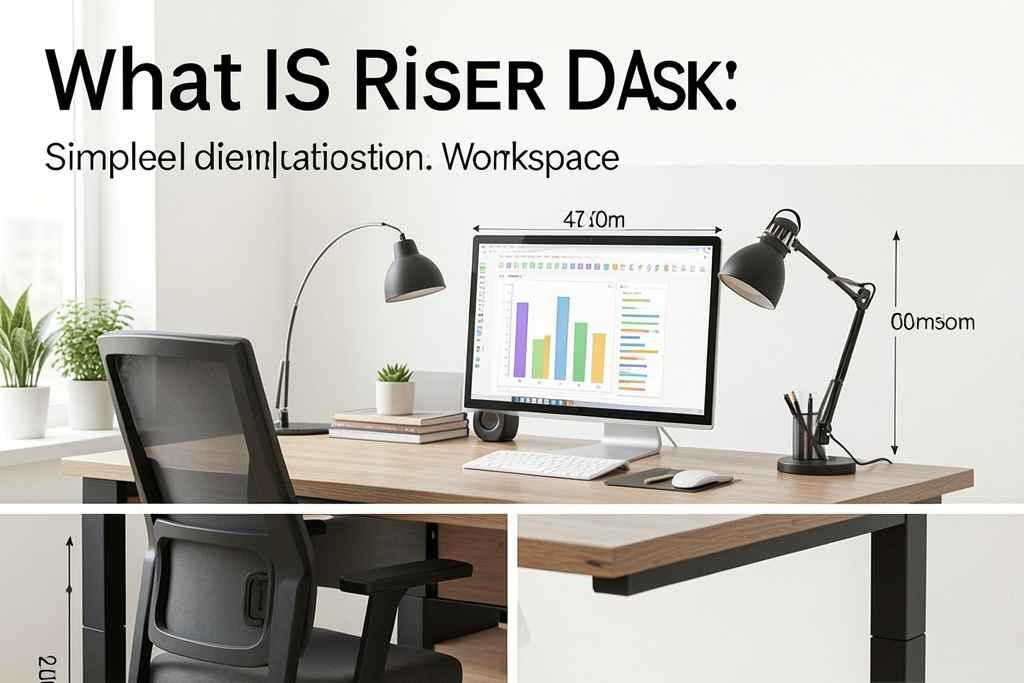
Modern workspaces are evolving rapidly, and one of the biggest changes in recent years has been the growing focus on ergonomics and employee comfort. As more people spend long hours working at computers, finding ways to improve posture and reduce physical strain has become increasingly important. This is where a riser desk comes into the picture.
If you have ever wondered, what is a riser desk, how it works, and whether it is worth investing in, this guide will provide everything you need to know. From understanding the basics to choosing the right model for your workspace, this beginner-friendly guide covers all the essential details.
What Is a Riser Desk and How Does It Work?
A riser desk is an adjustable workstation designed to elevate your computer, monitor, keyboard, and other work essentials to a comfortable height. It allows users to switch between sitting and standing positions while working, helping create a more flexible and ergonomic work environment.
Unlike a traditional desk, which remains fixed at one height, a riser desk can be adjusted to accommodate different working positions. This flexibility enables users to avoid remaining seated for extended periods and encourages healthier movement throughout the day.
Definition of a Riser Desk
A riser desk, often called a desk riser or sit-stand desk converter, is a platform that sits on top of an existing desk and can be raised or lowered according to the user’s preference. Some riser desks are standalone units, while others are attachments designed to transform regular desks into adjustable workstations.
The primary goal of a riser desk is to support better posture and improve comfort during work sessions.
How a Riser Desk Differs from a Traditional Desk
Traditional desks have a fixed height, which may not suit every user’s ergonomic needs. If the desk height is too low or too high, it can lead to discomfort and poor posture over time.
A riser desk differs by providing adjustable height settings. Users can easily raise the work surface when standing and lower it when sitting. This adaptability makes riser desks more versatile and user-friendly than conventional desks.
Key Components and Design Features
Most riser desks include several essential components:
- Adjustable lifting mechanism
- Stable work platform
- Keyboard tray (on some models)
- Height adjustment controls
- Safety locking features
- Durable frame construction
These components work together to provide smooth height transitions while maintaining stability.
Types of Riser Desks Available Today
The market offers various riser desk options, including:
- Desktop risers
- Full standing desks
- Manual riser desks
- Electric riser desks
- Compact risers for small spaces
- Corner desk risers
Each type caters to different workspace requirements and budgets.
Why Riser Desks Have Become Popular in Modern Workspaces
The rise of remote work and home offices has increased awareness of workplace ergonomics. Many people now seek solutions that help improve comfort and productivity.
Riser desks have gained popularity because they:
- Support healthier work habits
- Encourage movement throughout the day
- Fit into existing workspaces
- Offer flexible working positions
- Improve workstation ergonomics
As a result, they have become a common feature in offices, homes, and educational settings.
Benefits of Using a Riser Desk
One of the main reasons people invest in riser desks is the range of potential benefits they provide. While individual experiences may vary, many users report significant improvements in comfort and workplace satisfaction.
Improved Posture and Ergonomic Support
Poor posture is a common issue among office workers. Sitting for long periods can cause people to lean forward, round their shoulders, or strain their necks.
A properly adjusted riser desk helps position monitors and keyboards at ergonomic heights, encouraging a more natural posture. This alignment can reduce unnecessary strain on the body.
Reduced Strain on the Neck, Back, and Shoulders
When workstations are not properly configured, muscles and joints may experience excessive stress.
A riser desk allows users to adjust their working position throughout the day, potentially reducing discomfort in:
- Neck muscles
- Upper back
- Lower back
- Shoulders
- Wrists
Maintaining proper workstation ergonomics can contribute to greater physical comfort over time.
Increased Comfort During Long Work Hours
Many professionals spend eight or more hours working at a desk each day. Remaining in a single position for extended periods can become uncomfortable.
Riser desks provide the flexibility to alternate between sitting and standing, helping users stay more comfortable during lengthy work sessions.
Potential Productivity and Focus Benefits
Comfort often influences concentration. When workers experience less physical discomfort, they may find it easier to stay focused on tasks.
Some users report benefits such as:
- Improved concentration
- Better energy levels
- Reduced feelings of fatigue
- Enhanced engagement with work
Although results vary among individuals, many find that adjustable workstations positively impact their daily productivity.
How Standing and Sitting Balance Can Support Overall Wellness
Movement is an important part of maintaining a healthy lifestyle. While standing all day is not ideal, alternating between sitting and standing can encourage greater physical activity.
Using a riser desk may help users:
- Break up long periods of sitting
- Promote better circulation
- Encourage regular movement
- Create healthier workplace habits
The key is finding a balanced routine that includes both sitting and standing throughout the day.
Different Types of Riser Desks Explained
Choosing the right riser desk begins with understanding the different options available.
Desktop Riser Desks vs. Full Standing Desks
Desktop risers are placed on top of existing desks. They are often more affordable and easier to install.
Advantages include:
- Lower cost
- Easy setup
- Space efficiency
- Portability
Full standing desks replace traditional desks entirely and typically offer larger work surfaces and greater customization.
Advantages include:
- Larger workspace
- Cleaner appearance
- Greater stability
- Broader adjustment ranges
Manual and Electric Riser Desk Options
Manual riser desks require users to adjust the height using levers, handles, or lifting mechanisms.
Benefits include:
- Lower purchase price
- Simpler design
- Less maintenance
Electric riser desks use motorized systems to adjust height at the push of a button.
Benefits include:
- Effortless adjustment
- Precise height settings
- Convenient operation
- Memory presets on advanced models
Compact Models for Small Spaces
Not everyone has a large office. Compact riser desks are specifically designed for limited spaces.
These models work well for:
- Apartments
- Dorm rooms
- Shared workspaces
- Small home offices
Despite their smaller footprint, many still provide effective ergonomic benefits.
Riser Desks for Home Offices, Students, and Professionals
Different users have different needs.
Home Office Workers
Often prioritize comfort, flexibility, and affordability.
Students
May prefer compact, budget-friendly solutions for studying and online learning.
Professionals
Frequently seek advanced features, larger work surfaces, and premium construction.
Choosing the Right Style Based on Your Needs
When selecting a riser desk, consider:
- Workspace size
- Daily usage
- Budget
- Equipment requirements
- Preferred adjustment method
Understanding your priorities will help narrow down the most suitable option.
How to Choose the Best Riser Desk for Your Workspace
The best riser desk is one that fits your specific needs and working style.
Important Features to Consider
Before making a purchase, evaluate key features such as:
- Height adjustability
- Stability
- Workspace size
- Build quality
- Ease of use
- Warranty coverage
These factors can significantly influence long-term satisfaction.
Height Adjustment Range and Stability
A good riser desk should accommodate users of different heights.
Look for:
- Wide adjustment range
- Smooth transitions
- Minimal wobbling
- Reliable locking mechanisms
Stability becomes especially important when working with multiple monitors or heavier equipment.
Weight Capacity and Desk Size
Every riser desk has a maximum weight capacity.
Consider the combined weight of:
- Monitors
- Laptops
- Keyboards
- Speakers
- Accessories
Choosing a model with sufficient capacity helps ensure safety and performance.
Desk size should also match your workflow requirements. A larger work surface may improve organization and productivity.
Material Quality and Durability
Quality materials contribute to a longer lifespan and better user experience.
Common materials include:
- Steel frames
- Aluminum components
- Engineered wood surfaces
- High-pressure laminates
Investing in durable materials can provide better long-term value.
Budget Considerations and Value for Money
Riser desks are available across a wide price range.
Budget models may offer basic functionality, while premium options often include:
- Electric motors
- Memory settings
- Enhanced stability
- Larger work surfaces
- Superior materials
Rather than focusing solely on price, consider overall value and how well the desk meets your needs.
Riser Desk Setup Tips and Common Mistakes to Avoid
Even the best riser desk requires proper setup to deliver maximum benefits.
Proper Monitor, Keyboard, and Mouse Positioning
Correct equipment placement plays a major role in ergonomics.
Monitor Placement
- Top of screen at or slightly below eye level
- Approximately an arm’s length away
- Directly in front of the user
Keyboard Placement
- Elbows bent around 90 degrees
- Wrists in a neutral position
- Shoulders relaxed
Mouse Placement
- Close to the keyboard
- Easy to reach without stretching
- Positioned at a comfortable height
Creating an Ergonomic Workstation
A complete ergonomic workstation includes:
- Adjustable chair
- Proper monitor placement
- Comfortable keyboard position
- Adequate lighting
- Foot support if needed
The goal is to create a setup that promotes comfort and reduces physical strain.
Recommended Sitting-to-Standing Schedule
Many experts recommend gradually increasing standing time rather than standing all day.
A common approach is:
- Sit for 30–60 minutes
- Stand for 15–30 minutes
- Repeat throughout the day
Experiment with different schedules to find what feels most comfortable and sustainable.
Common Setup Errors Beginners Make
Many new users unintentionally reduce the benefits of their riser desk through poor setup practices.
Common mistakes include:
- Raising the monitor too high
- Standing for excessively long periods
- Ignoring ergonomic positioning
- Using uncomfortable footwear
- Forgetting to move regularly
- Choosing incorrect desk height settings
Avoiding these mistakes can improve both comfort and effectiveness.
Final Thoughts: Is a Riser Desk Worth It for You?
For many people, a riser desk is a worthwhile investment that can improve workstation ergonomics and provide greater flexibility throughout the workday.
Whether you work from home, study online, or spend long hours in a professional office environment, a riser desk offers an easy way to alternate between sitting and standing. While it is not a complete solution to workplace discomfort, it can play an important role in creating a healthier and more comfortable workspace.
Ultimately, the best choice depends on your individual needs, workspace limitations, and budget. By selecting the right model and setting it up correctly, you can enjoy a more adaptable and ergonomic working experience.
FAQs
What is a riser desk used for?
A riser desk is used to raise a workstation to a comfortable height, allowing users to switch between sitting and standing while working.
Is a riser desk the same as a standing desk?
Not exactly. A riser desk often sits on top of an existing desk, while a standing desk is usually a complete adjustable desk system.
Are riser desks good for posture?
Yes. When adjusted correctly, riser desks can support better posture by positioning monitors and keyboards at ergonomic heights.
Can a riser desk help reduce back pain?
A riser desk may help reduce discomfort associated with prolonged sitting by encouraging movement and providing better ergonomic positioning.
How high should a riser desk be adjusted?
The desk should be adjusted so your elbows are roughly at a 90-degree angle and your monitor is at eye level.
What should I look for when buying a riser desk?
Consider height adjustability, stability, weight capacity, workspace size, material quality, and overall value for money.
Are riser desks suitable for small workspaces?
Yes. Many compact riser desk models are specifically designed for small offices, apartments, and study areas.
Is a manual or electric riser desk better for beginners?
Both can work well. Manual models are more affordable, while electric models offer greater convenience and easier height adjustments.